The Occupancy Ledger: Reading the True Cost of Your Premises Before the Next Lease Decision
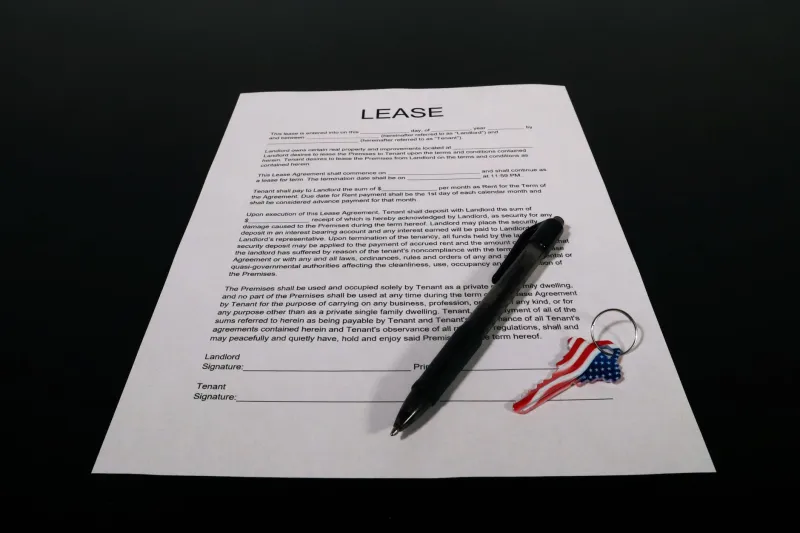
For many UK SMEs, premises are treated as a fixed monthly cost rather than a live operating decision. The rent is visible, the invoice arrives on schedule and the lease sits in a folder. Yet the true cost of occupancy is rarely confined to the headline rent. Service charges, business rates, insurance, utilities, compliance, fit-out amortisation, dilapidations and the opportunity cost of underused space all sit behind that single figure. When a break date, renewal or rent review approaches, those secondary costs can matter as much as the rent itself.
A 360 lease health check treats premises as both an operating asset and a financial liability. It is not a legal audit and it does not replace specialist advice. It is a commercial review that gives leaders a clear view of what the space costs, what it delivers and where there is room to negotiate. As 2026 draws to a close, with many SMEs reviewing budgets and forecasting for the year ahead, the discipline is worth applying before a lease event sets the timetable.
Begin with the full occupancy cost
The first step is to build a twelve-month occupancy ledger. Start with rent, but do not stop there. Add service charge demands and any reconciliation statements, business rates, building insurance, utilities, cleaning, security, waste, maintenance contracts, statutory compliance costs and the annualised cost of fit-out or equipment that will be left behind. Include an accrual for dilapidations, even if the liability is years away. Then express the total per employee, per desk and as a percentage of revenue.
This exercise often reveals that the headline rent is a minority of the total. It also exposes costs that have grown quietly through renewals, indexation or additional services. A premises cost review should answer a simple question: what is this space costing us to hold, and what operational purpose does each element serve?
Read the lease as a cash-flow document
Leases are usually reviewed for legal risk, but they should also be read for cash-flow risk. The rent review clause matters: is it open market, indexed, capped or collared? A service charge cap or a fixed escalator can be worth more than a modest reduction in headline rent. Break clauses deserve particular attention. Conditions attached to a break, such as vacant possession, payment of all sums due or strict notice periods, can turn an apparent exit into another full term if a date is missed.
Other clauses shape flexibility and exit cost. Dilapidations, reinstatement, alterations, permitted use, alienation and subletting provisions all affect what the business can do with the space. A lease review should produce a dated obligations calendar, not just a file note. The aim is to know which clauses create cost or constrain options, and which ones can be challenged in negotiation.
Interrogate the service charge
Service charges are a common source of opacity. Request the current budget, the previous reconciliation, the apportionment method and details of any sinking fund or management fee. Check whether items are properly recoverable under the lease and whether they are capital in nature rather than routine maintenance. Look at how the landlord allocates costs across tenants and whether the building has been fully occupied. Where figures are unclear, ask for evidence rather than accepting the demand.
This does not need to become adversarial. A well-evidenced request for clarity can lead to a cap, a fixed escalation or a more transparent schedule at renewal. For SMEs with limited internal resources, the key is to ask early enough that the answer can influence the negotiating brief rather than arrive after terms are agreed.
Test the space against actual use
Occupancy cost is only half the picture. The other half is utilisation. Review peak occupancy, desk ratios, meeting-room use, storage requirements and the practical effect of hybrid working. Space that is consistently underused is not free: it still attracts rates, heating, cleaning, insurance and dilapidations. It may also be shaping the business around a pattern of work that no longer exists.
Options will depend on the lease. Subletting, assignment, surrender, downsizing at a break or re-gearing terms all require checking. So does the value of flexibility itself. A smaller or better-configured space may cost more per square foot but less per employee and less per unit of output. The review should compare the cost of holding space with the cost of changing it.
Put dilapidations on the agenda early
Dilapidations are often treated as an exit problem, but they are a current liability. If a schedule of condition was agreed at the start of the term, use it. If it was not, assemble photographic and written evidence of condition as early as possible. At exit, the landlord may seek repair costs, reinstatement or a combination of both. The tenant can challenge scope and quantum, but the strongest position is built before the schedule arrives.
At renewal, dilapidations can be negotiated into a cap, a rolling schedule or a defined reinstatement obligation. For businesses planning to stay, a clear dilapidations position reduces uncertainty in forecasts. For those planning to leave, it prevents a late and unwelcome call on cash.
Bring rates, insurance and compliance into the same view
Business rates are a significant occupancy cost and the 2026 revaluation makes this a sensible moment to check that the assessment reflects the property accurately. Floor areas, plant and machinery, reliefs and transitional arrangements should all be reviewed. Insurance needs the same discipline: adequate sums insured, appropriate business interruption cover and a clear understanding of what the lease requires the tenant to insure.
Compliance costs also belong in the occupancy ledger. Energy performance, fire safety, asbestos, electrical and gas safety, accessibility and building regulations can all create obligations. These are not optional extras. They are part of the cost of holding premises and should be reflected in budgets and lease negotiations.
Turn the findings into a negotiating brief
The output of a lease health check should be a one-page commercial brief. It should set out the objectives, the walk-away position, the evidence, the tradeables and the timetable. If cost reduction is the priority, ask for rent-free periods, stepped rent, service charge caps or contributions to fit-out. If flexibility matters more, focus on break options, assignment and subletting rights, and shorter terms with renewal options.
Good negotiators sequence the conversation. They gather comparables, understand the landlord's priorities and avoid revealing their own timetable too early. They involve solicitors and valuers at the right point, but they lead with commercial logic. The aim is not to win a point in isolation. It is to protect cash and preserve operational flexibility over the life of the lease.
Make the review routine
A lease review should not be triggered only by a renewal date. It should sit on the annual operating calendar, with a deeper review eighteen to twenty-four months before any break or expiry. Give it an owner, report the findings to the board and feed the numbers into the cash-flow forecast. Premises are one of the largest fixed costs many SMEs carry. Treating them as a managed cost stack rather than a passive rent line is a practical way to keep that cost under control.